Sigmar Polke
…höhere Wesen befehlen
1968
EB10
14 offset prints, 31.5 x 22 cm, unsigned, unnumbered
Edition of 80 + 10 AP
of which Edition A: 50 copies in cardboard boxes with 4 signed drawings, numbered on the flyleaf (1/50-50/50)
Edition B: 30 copies in folders, numbered on the flyleaf (1/30-30/30)
Edition C: 10 h.c. copies, 8 of which have been in a collector's folder with a certificate from the publisher since 2005 (h.c. 1/8-8/8)
Edition D: Additional prints, numbered and certified by the publisher on the reverse side
Individual additional prints (Edition D) available

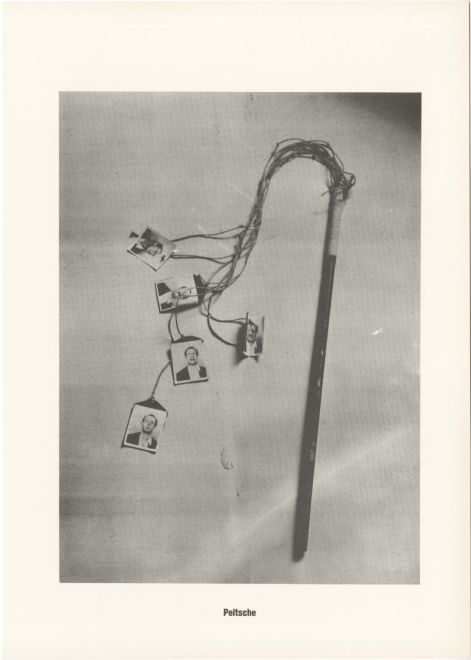
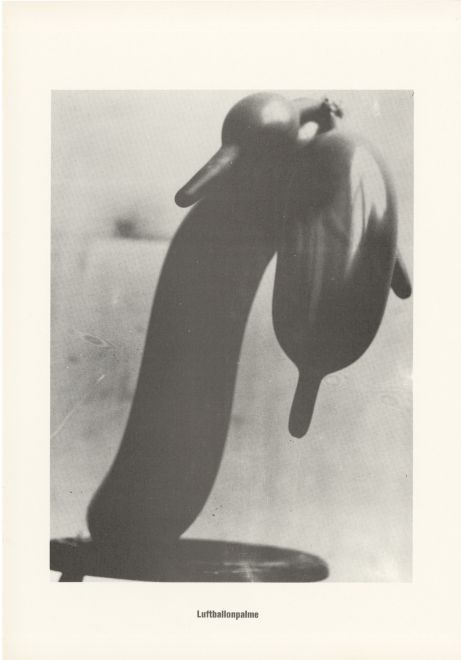
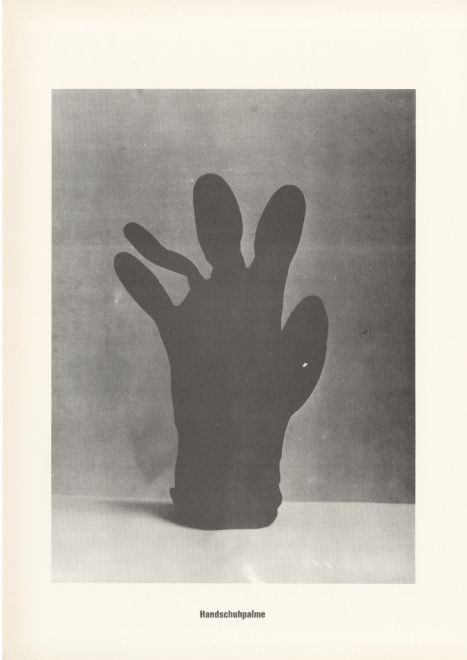
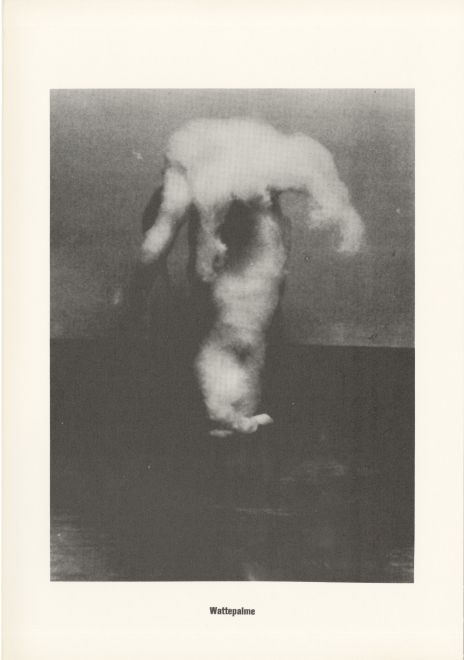
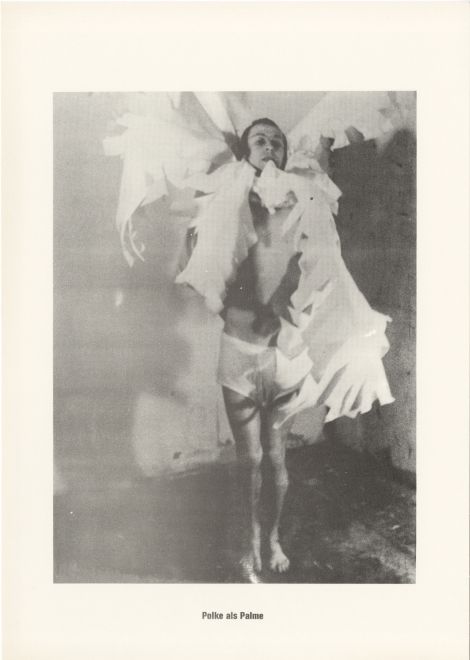


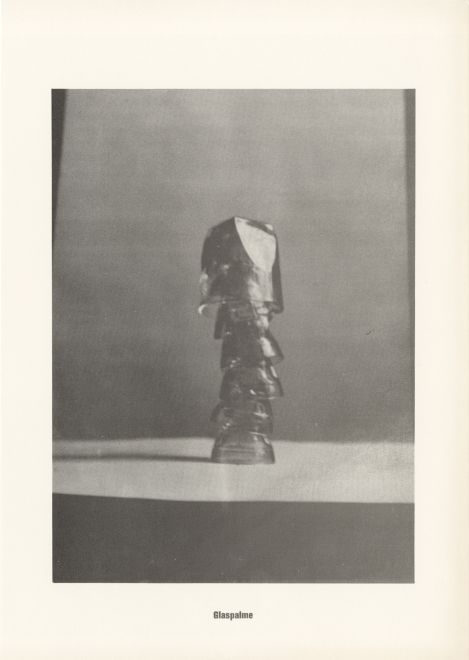
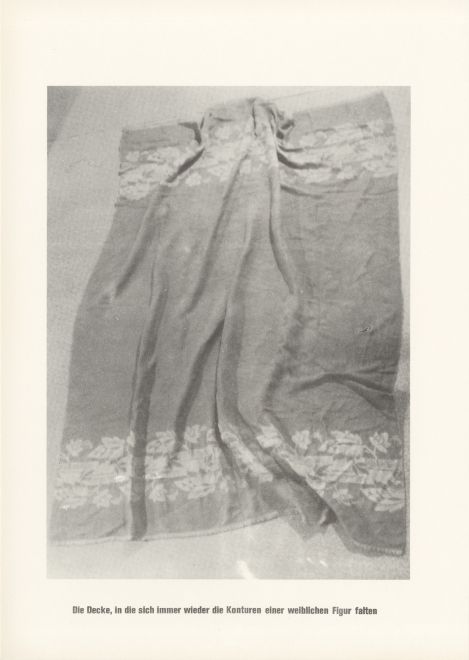
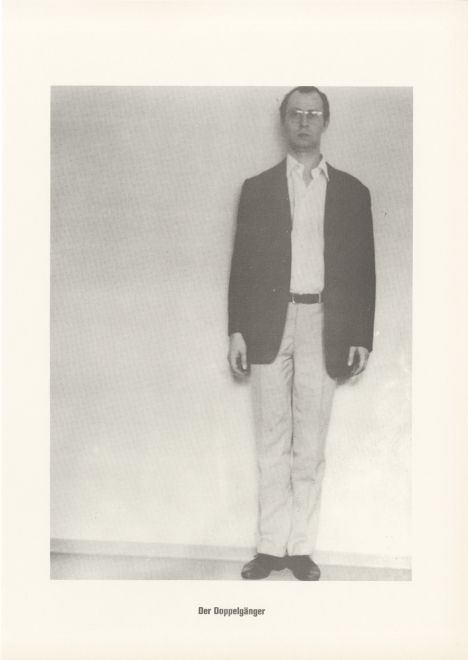
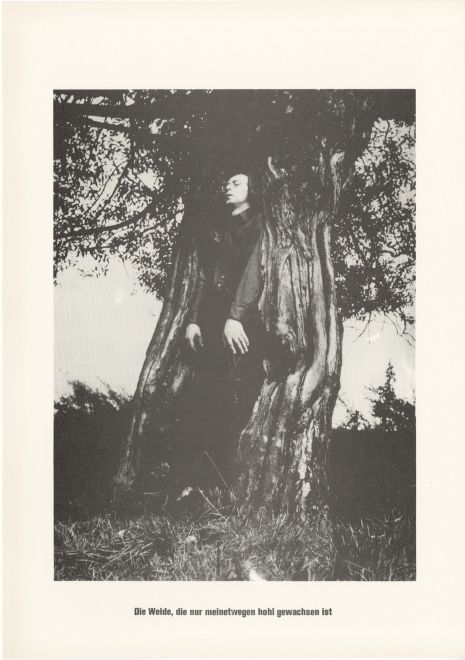
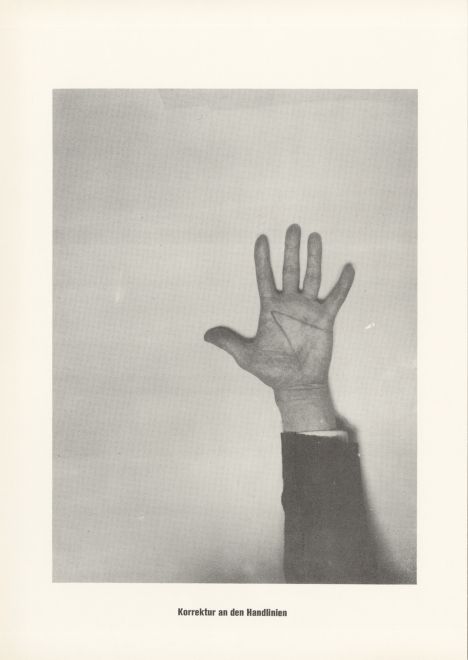
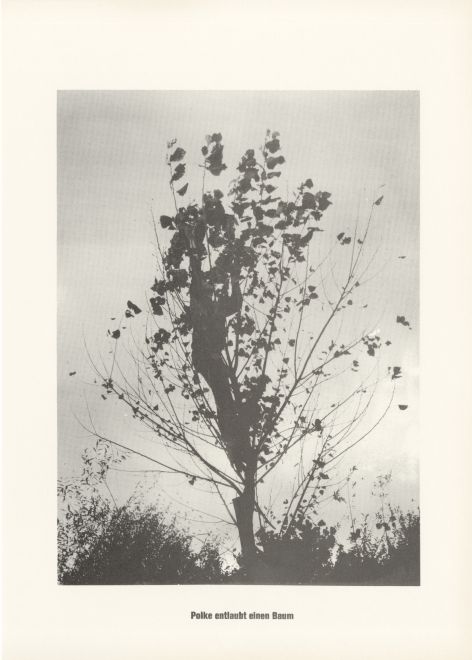
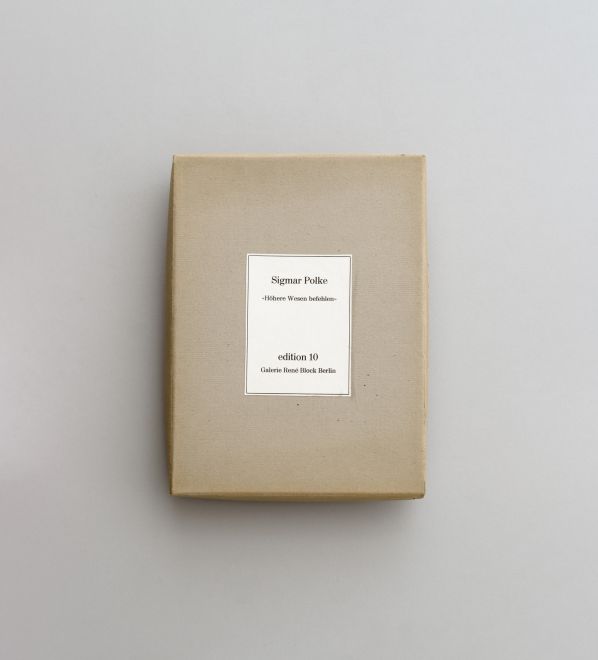

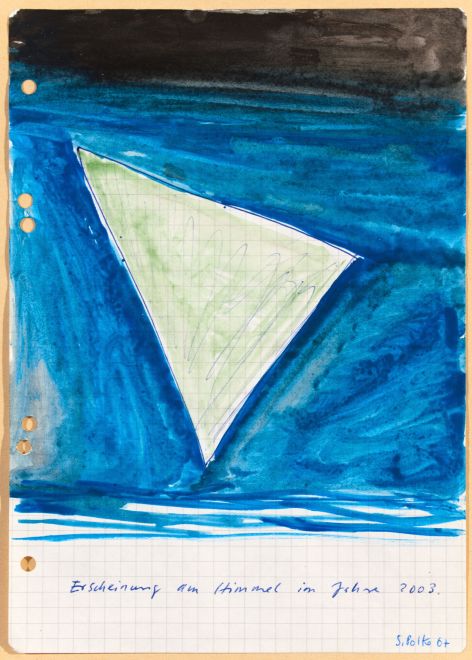

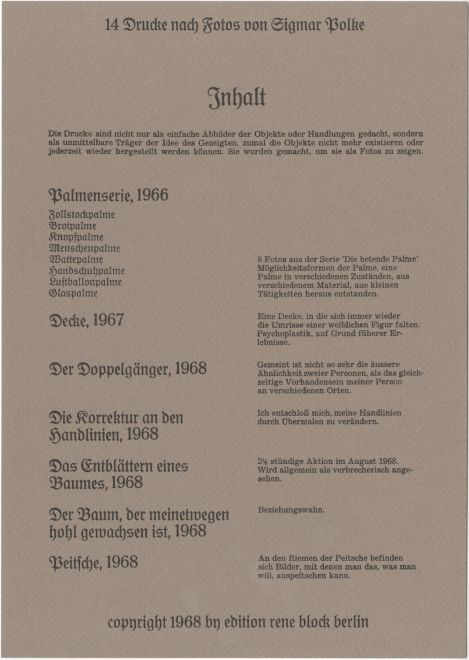
“Dear Block! Enclosed are the photos for the edition. It will be really great, don’t you think?“ Polke wrote to the gallery owner in September 1968, adding that he had prepared ”a summary with brief explanations” of the photographs to make them easier to understand.1 The limited edition portfolio “… höhere Wesen befehlen” (… higher beings command), to whose production Polke’s reflections refer, consists of four unique drawings by Polke and 14 offset prints after photographs by Polke and Chris Kohlhöfer. The four original drawings in each portfolio were compiled by Polke and are housed in individual passe-partouts. The table of contents described in the letter with brief explanations can be found in Fraktur script on a brown flyleaf to the portfolio. The list of included prints is preceded by general information on the content: “The prints are not intended as simple images of the objects or actions, but as direct carriers of the idea of what is shown, especially since the objects no longer exist or can be recreated at any time. They were made to show them as photographs.” The eight sheets of the Palmen_-Serie (_Palm Tree series) that follow in the list are entitled: “8 photos from the series ‘The praying palm tree’, possible forms of the palm tree, a palm tree in different states, made of different materials, created from small activities”.
In this series, a twisted folding rule can become a palm tree motif, as can Polke posing with the aid of a few (palm) leaves made of paper or a glove standing upright. The ironic dimension of this edition is taken to extremes not least by the title “… höhere Wesen befehlen”, which mocks both the idea of genius inspiration and removes responsibility from the artist as creator. The special feature of this edition also lies in the addition of four small drawings from the artist’s collection. Sketches and watercolors on partially perforated, squared or lined ring binder paper, each signed and titled, provide an insight into the artist’s intellectual universe and counteract the principle of the print portfolio not only through their originality, but also in the exuberant abundance of sketch-like ideas and reflections.
Sigmar Polke is one of the artists who has worked regularly with Galerie Block since its opening. His first solo exhibition Sigmar Polke. Bilder und Zeichnungen in May 1966 is accompanied by a small catalog with an introduction by Joseph Beuys. The limited edition “… höhere Wesen befehlen” is published on the occasion of Polke’s second solo exhibition at Galerie Block Moderne Kunst. Bilder von Sigmar Polke in December 1968. “Is he serious about this ‘modern art’? Has he resigned? Is he hinting at the end of all pictorial art hanging on the wall in favor of an imagination that no longer takes into account the consumability of artistic work?”2 asked a critic, apparently in consternation, in the Tagesspiegel on the occasion of this exhibition at Galerie Block.
The cassette “… höhere Wesen befehlen” with drawings and prints was published in 1968 in a limited edition of 50 copies. The total edition of the prints comprises 80 unsigned copies. As originally intended by Polke, the remaining 30 copies were published in 2008 in a simple brown portfolio (without drawings). There are also additional prints of the graphics in varying numbers, which have been verified, numbered and signed by the publisher as original prints with a stamp on the reverse.
Text: Birgit Eusterschulte
1 Letter from Sigmar Polke to René Block (September 25, 1968), unpublished manuscript, René Block Archive.
2 Heinz Ohff, »Wien und Düsseldorf. Zwei Städte in zwei Malern«, Der Tagesspiegel (Dezember 17, 1968).