Grafik des Kapitalistischen Realismus (special edition)
1971
EB31
Catalogs raisonnés of prints by KP Brehmer, K.H. Hödicke, Konrad Lueg, Sigmar Polke, Gerhard Richter and Wolf Vostell up to 1976 in two volumes
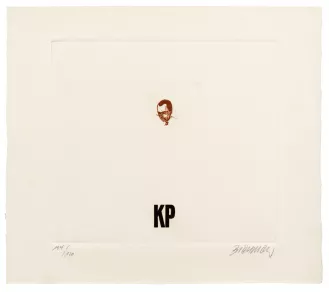
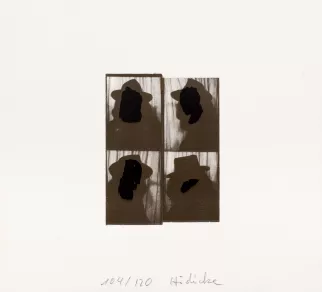
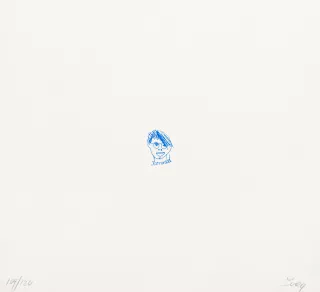
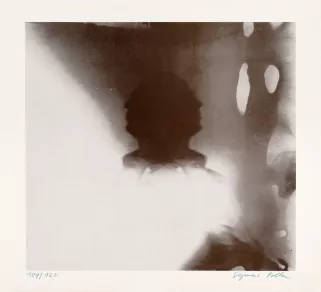
Special edition of the first volume in a linen slipcase with prints (self-portraits) by the six artists
Edition of 120, signed and numbered
price on request
selected prints available individually

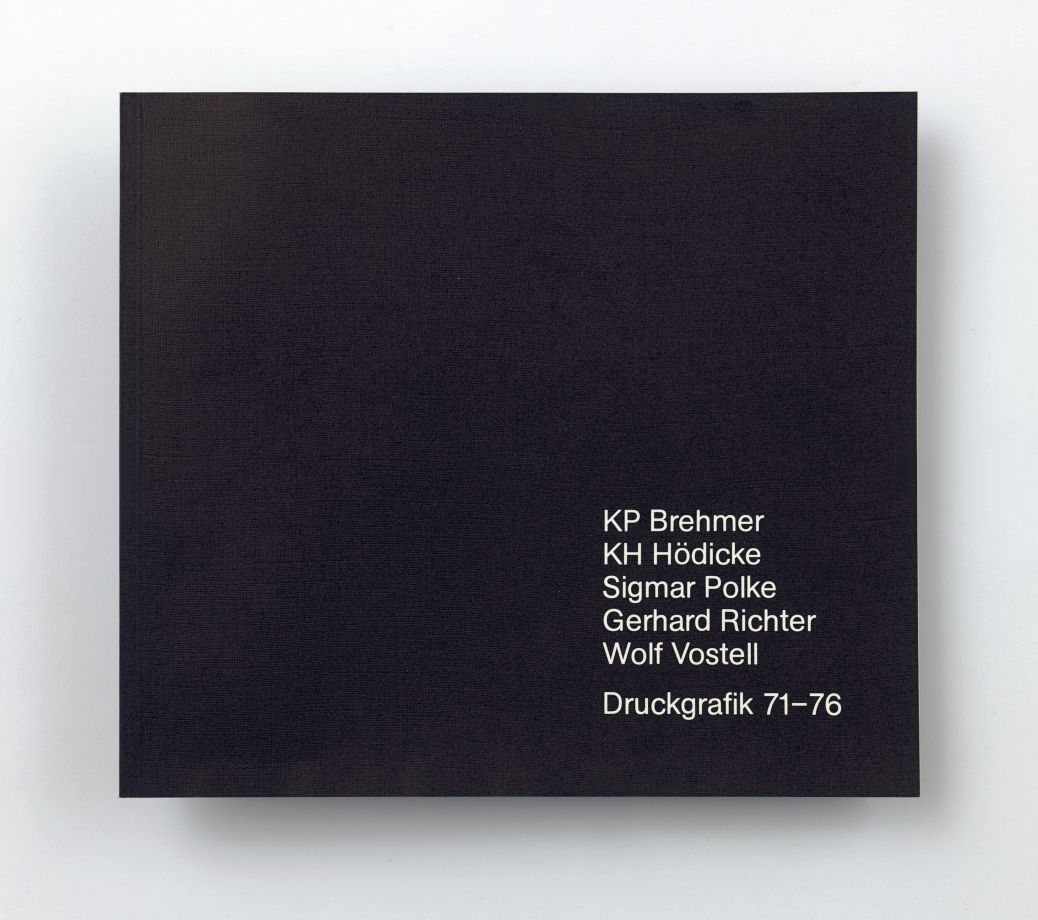
The publication Grafik des Kapitalistischen Realismus is conceived as a catalog raisonné of the prints by KP Brehmer, K.H. Hödicke, Konrad Lueg, Sigmar Polke, Gerhard Richter and Wolf Vostell from 1960 to 1976. The detailed and systematic survey of the graphic works of the six artists appears in two volumes (vol. 1 1960-71, with the collaboration of art historian Carl Vogel, vol. 2 1971-76) and comprises a total of 266 pages with 509 illustrations, some of which are full-page. The second volume of the publication also includes a glossary of printmaking techniques and biographical and bibliographical information.
Edition Block had already published a portfolio of prints by these six gallery artists under the same title in 1967 (EB25), for whose working approaches René Block found the term “Capitalist Realism” appropriate, as he writes in the foreword to the catalog raisonné.1 The text of the foreword frames a series of pictures that juxtaposes the capitalist realists of the Block Gallery with a selection of socialist realist artists. Block thus grounded the concept more politically than Konrad Lueg and Gerhard Richter did in the legendary action Leben mit Pop. Eine Demonstration für den kapitalistischen Realismus at the Berges furniture store in Düsseldorf in 1963. A report of this action, with which the two artists coined the term, is also included in the publication for contextualization. A further series of images shows a representative selection of works by the participating artists that are not classified as prints. This is followed by the actual lists of prints. It is above all the catalogs of KP Brehmer (1960-71) and Wolf Vostell (1960-71) that demonstrate an enormous productivity and experimental approach in the field of printmaking during this period. “You’ve made a really great book!” writes Richter in reaction to the publication, underlining the sentence twice. “The first art book that one can look at with unadulterated joy!”2 For Block, the publication of the print directories also marks the temporal framework of Capitalist Realism. “For me,” he says at the end of his foreword, ”Capitalist Realism remains an epoch of mid-60s art to which I continue to feel deeply attached (I won’t explain why here).”
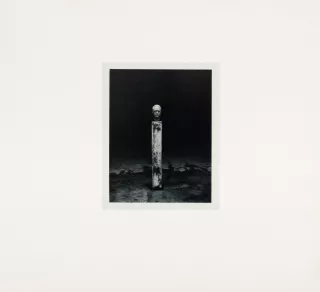
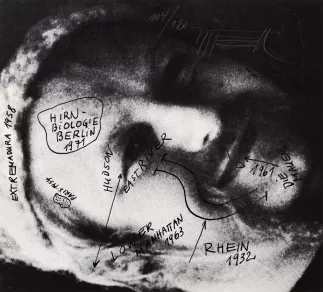
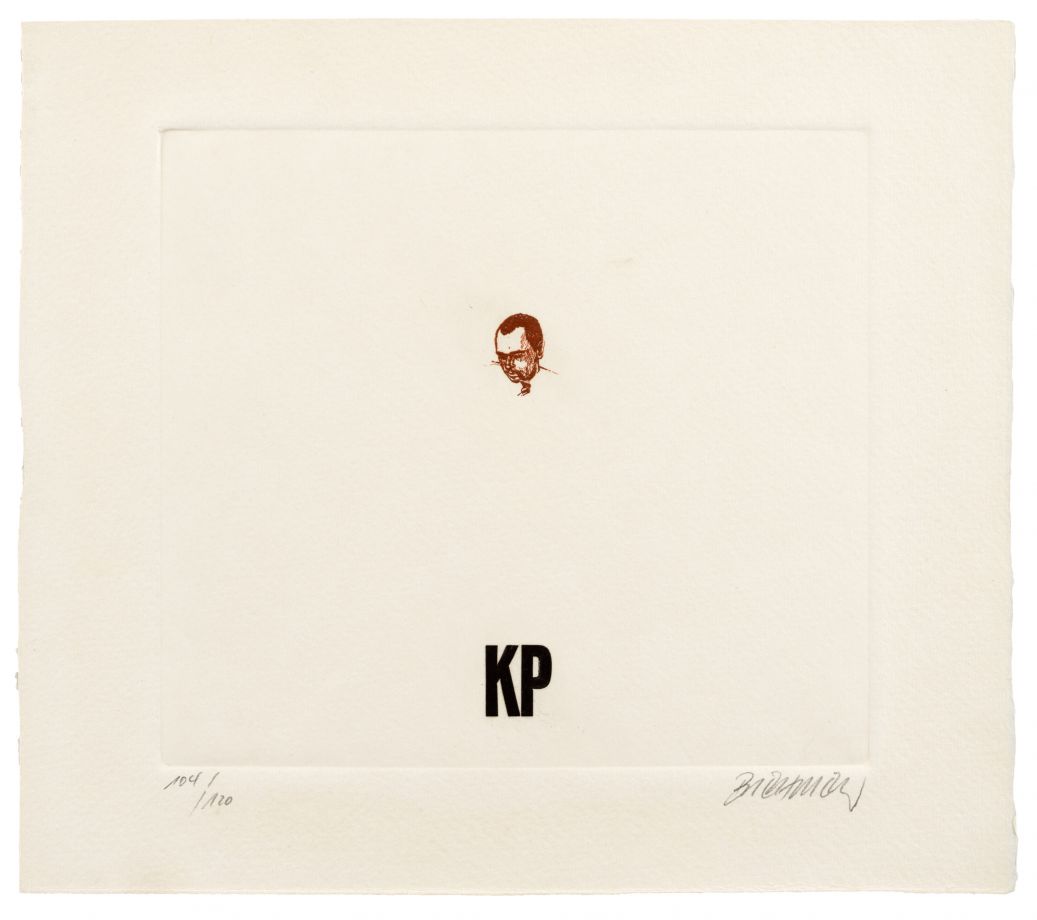
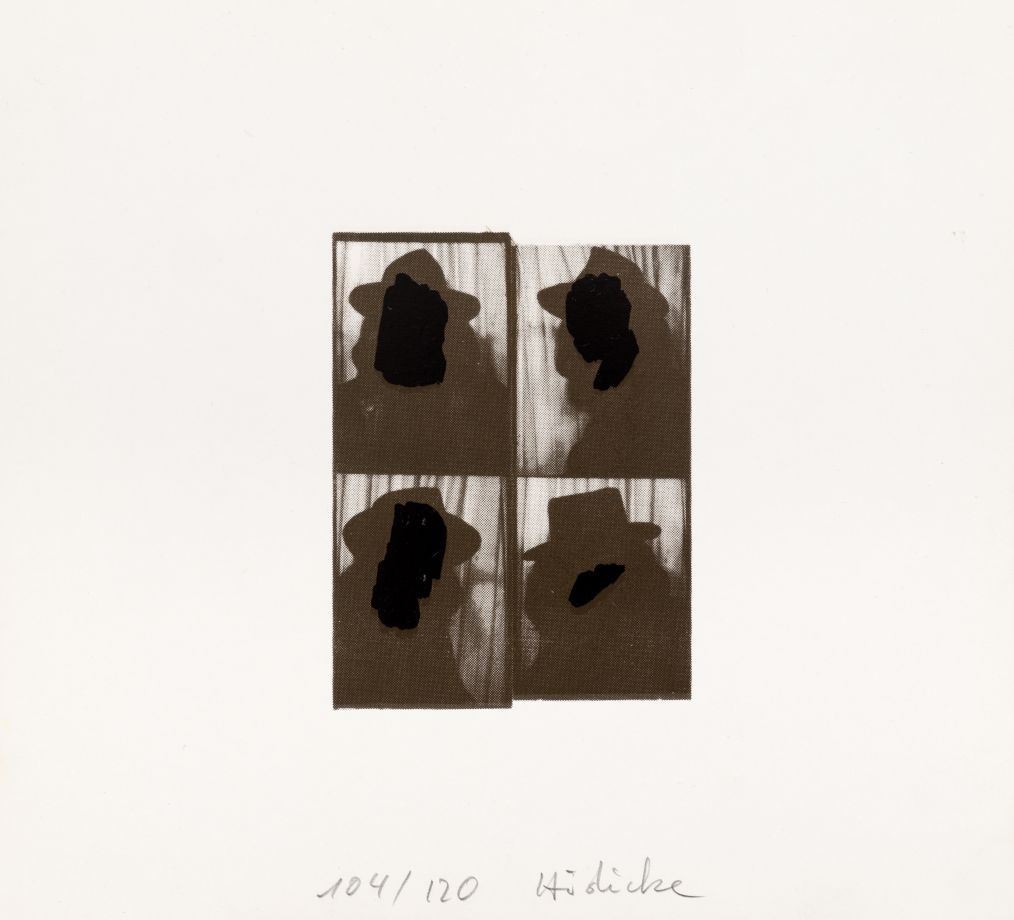
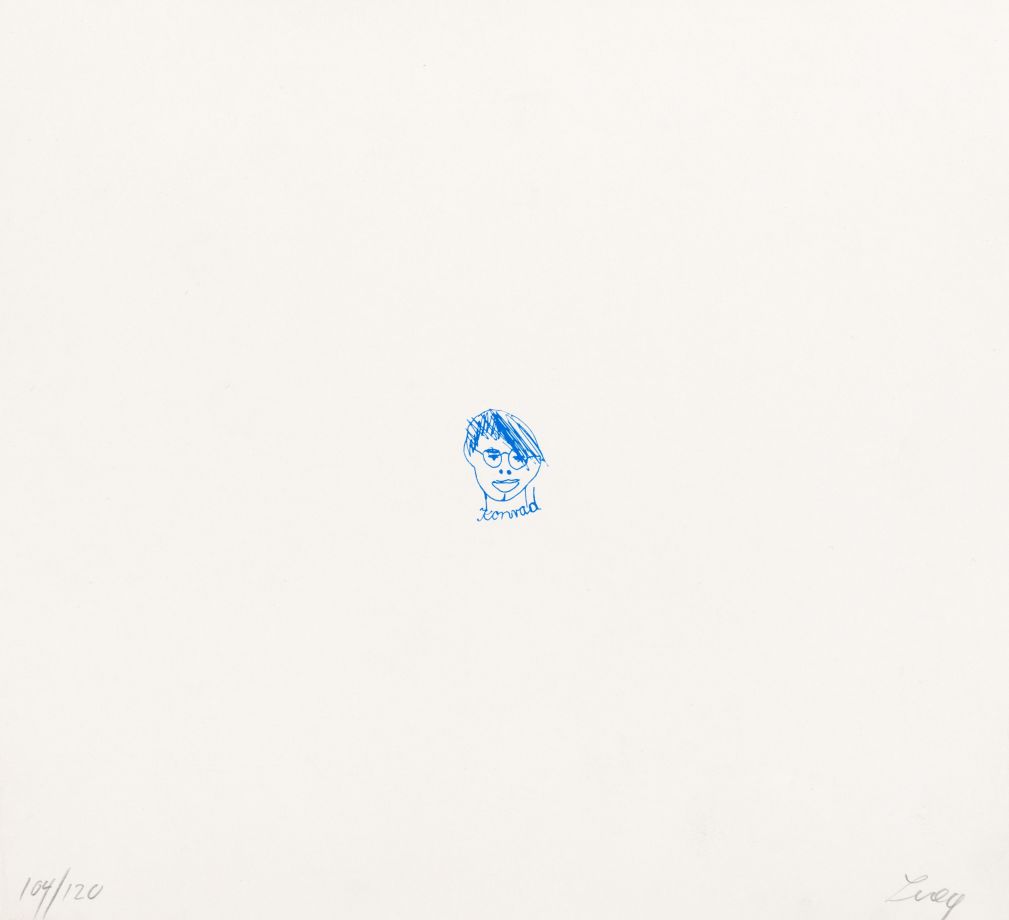
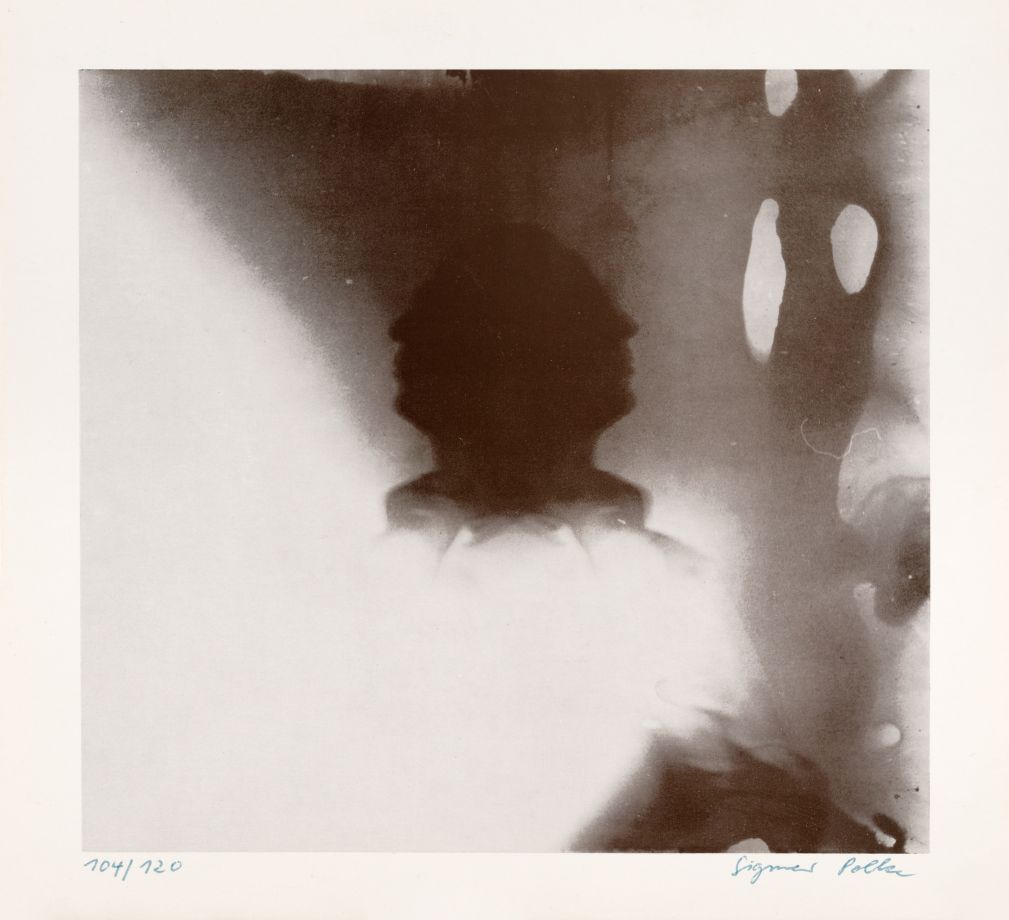
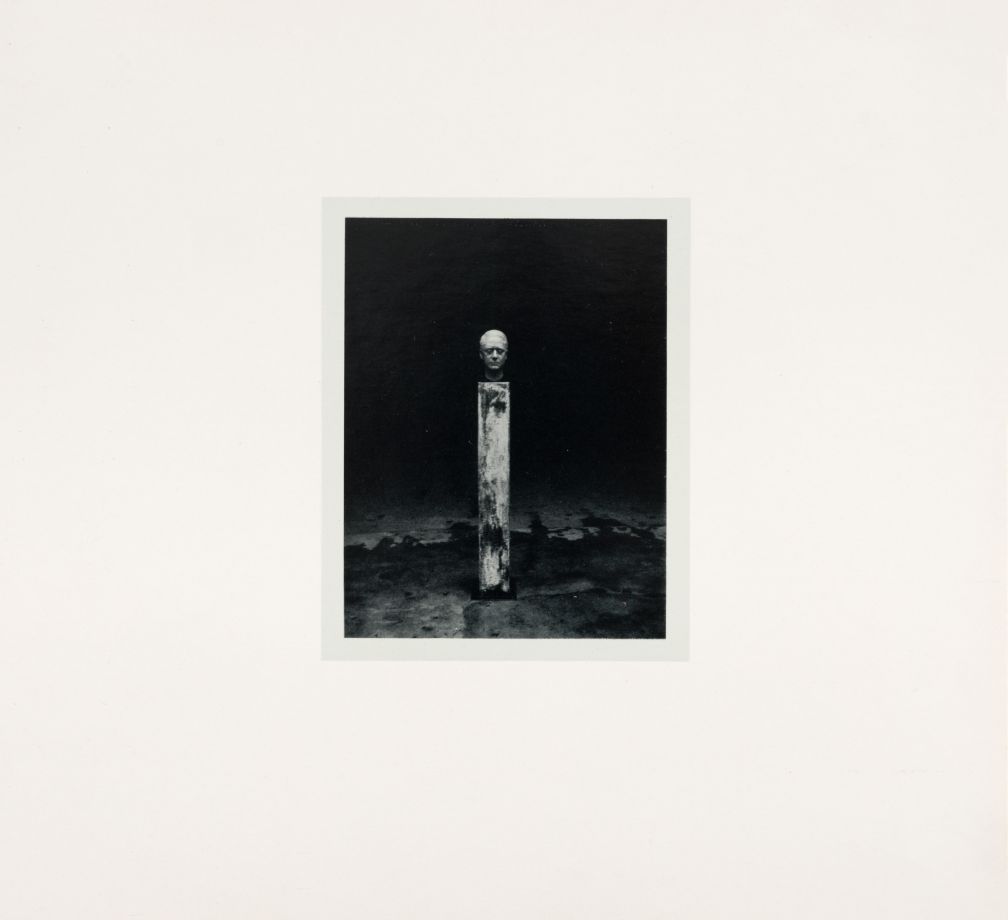
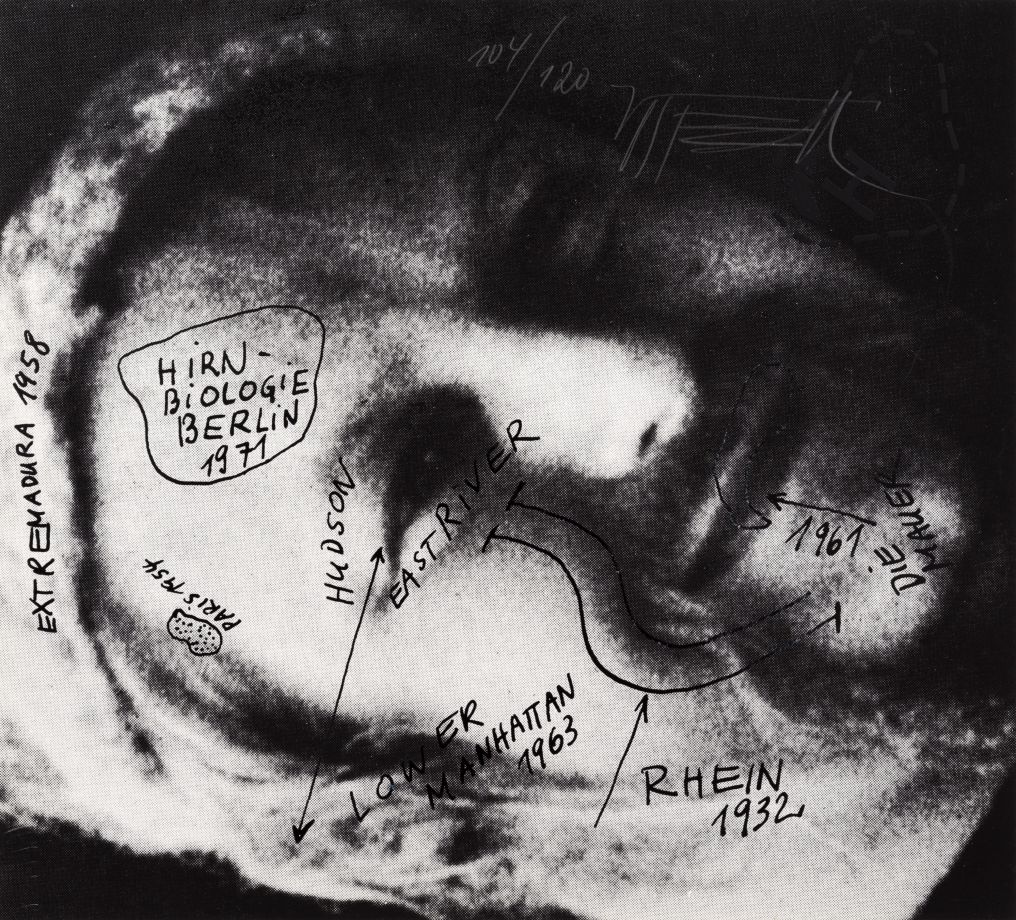
A conceptual highlight of the catalog raisonné is a commissioned work that the gallery owner issues to the six participating artists. Each of them is invited to create a self-portrait, which is listed in the individual catalog raisonnés of the publication as the last print of the period included and shown in large format.
These six original prints with self-portraits, for which Brehmer, Hödicke, Lueg, Polke, Richter and Vostell have chosen very different conceptual approaches, are published in an edition of 120 as part of a numbered special edition of the catalog raisonné Grafik des Kapitalistischen Realismus. The prints are inserted into a narrow black linen slipcase, which is fitted into another black linen slipcase together with the publication.
Insofar as René Block regards Capitalist Realism as a completed epoch, a supplementary volume of the catalog raisonné covering the years 1971 to 1976 is published without the programmatic title and also without the participation of Konrad Lueg, who had already shifted his focus to his own gallery activities by this time.
Text: Birgit Eusterschulte
1 René Block, „Mein letztes Wort (ich will hier nicht klären warum)“, in: Grafik des Kapitalistischen Realismus, Berlin 1971, p. 30.
2 Gerhard Richter to René Block, n.d., Archiv René Block.
Works in portfolio
Grafik des Kapitalistischen Realismus (special edition)